Showing posts with label annuals. Show all posts

Monday, April 7, 2014

Problems affecting Impatiens


I recently found out that there are a number of very serious problems affecting the beloved shade-tolerant annual Impatiens. The 2 most serious are Downy Mildew and a virus called Impatiens Necrotic Spot Virus.

Impatiens Necrotic Spot Virus is not very well understood yet. It is believed to be caused by a small bug called a thrip (also called a thunderfly, storm bug, corn fly or corn lice). The thrip is a very tiny cigar-shaped insect with fringed wings.
The virus causes wilting, stem death, yellowing, poor flowering, sunken spots and/or ring spots on the leaves. But many times the plant dies without showing any symptoms at all.

Downy Mildew causes the same type of damage. Within several weeks of planting, a bout of humid or wet weather can cause perfectly healthy impatiens to suddenly lose all their flowers and leaves and be bare stalks overnight.

Many green houses in the USA have stopped growing and selling impatiens or at least have cut back by 75%.

Last summer this problem starting appearing more often in Canadian gardens.


This is a real shame. Impatiens have long been the most reliable colour annual for shady areas.

What now?

Well, no one is saying not to plant impatiens. The reports are just warning what could happen.
New Guinea Impatiens/Sunshine Impatiens do not succumb to this problem at all.

If you decide not to plant impatiens, here are some good alternatives:

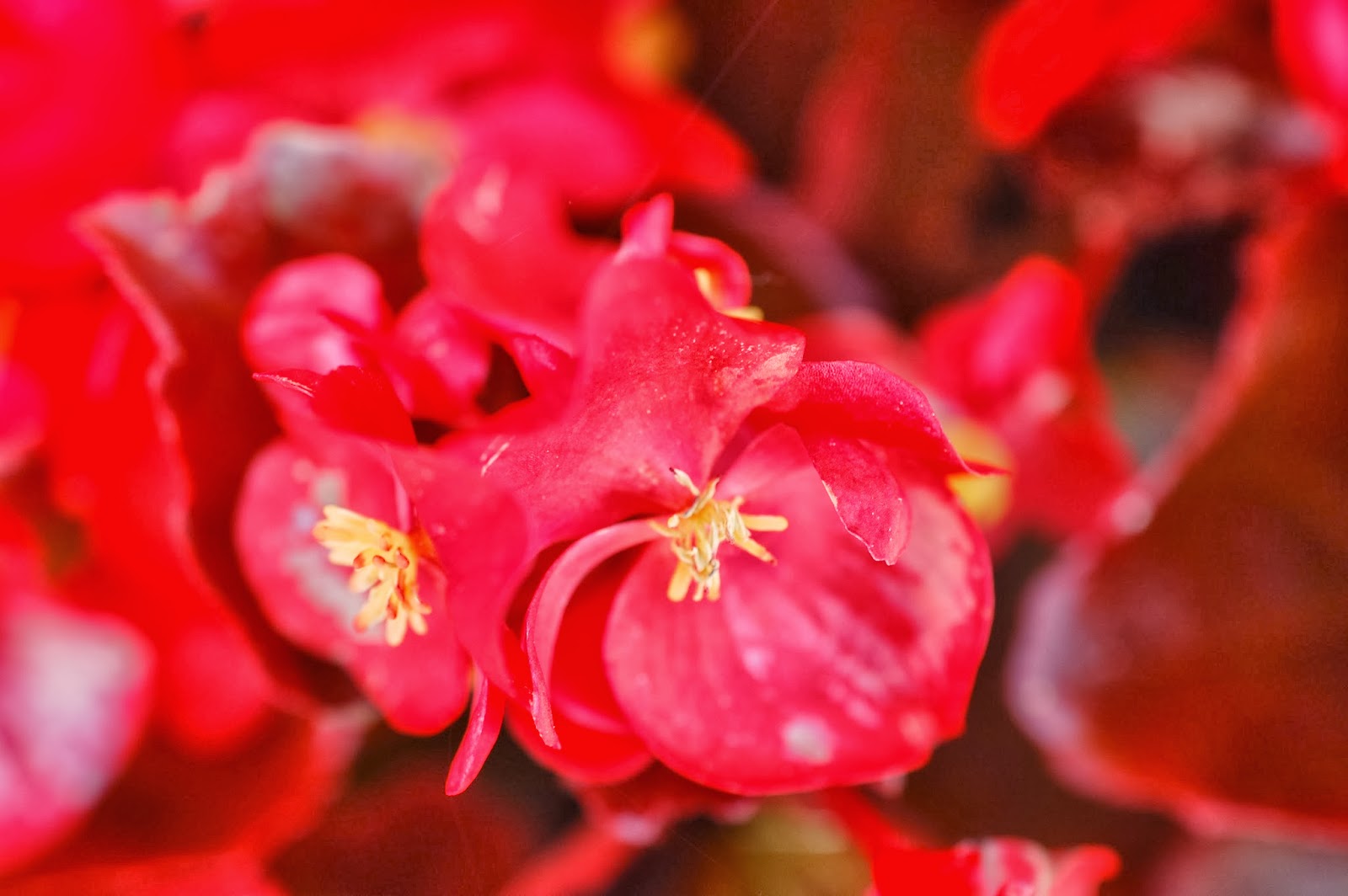
Fibrous or wax begonias were my top performers last summer. Great for sun or shade.


Another wonderful substitute is Tuberous or Rex Begonia. These are gorgeous but quite a bit more expensive.


Coleus has made amazing strides these past years. They now come in a wide array of colours, textures and sizes. They perform best with a bit of shade or in full shade.


Caladium is an indoor plant but I have had much success with its gorgeous pink speckled leaves in shade containers.


Heuchera is another plant that has evolved a lot in the past years. It is a perennial, therefore will cost more up front, but it comes back year after year, so it will pay off in the long run. The reason I mention it as a replacement for impatiens is that it also comes in many multi-colours and stays lovely the whole summer.


Brunnera is another speckle leaf perennial that looks great all summer long.
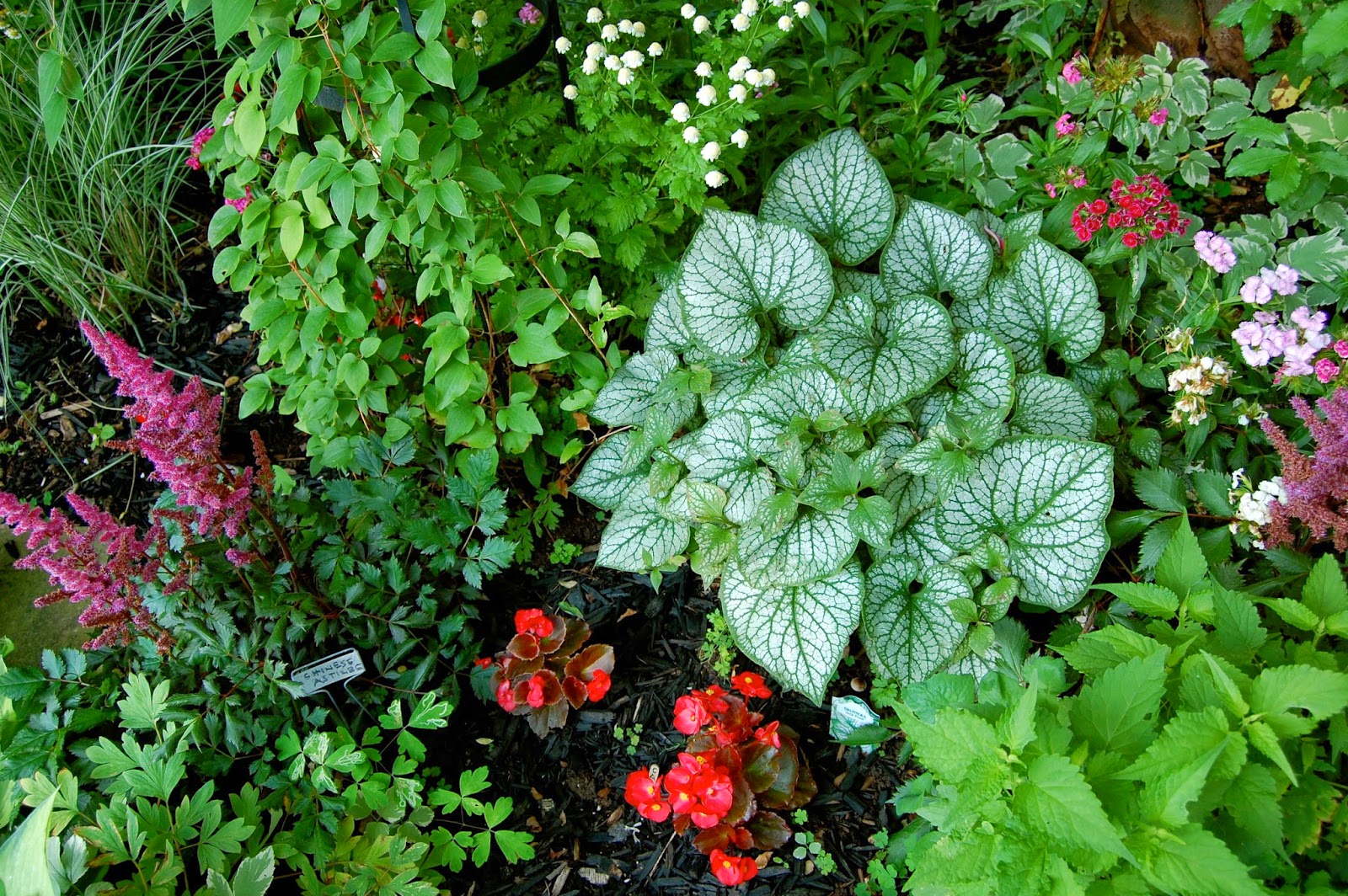

Variegated Hosta can also add punch to a summer border. Not as much colour as impatiens, but a strong choice to replace the poor little sickly standard.


Please check out my food blog - the latest post is Roasted Chicken Thighs with Potatoes.

Monday, October 14, 2013

And the Award goes to…...


….this summer's super workhorse of an annual: BADA BOOM BRONZE LEAF SCARLET BEGONIA!!


I bought 2 flats of this vivid red fibrous begonia and planted it everywhere: in garden beds, in containers and at the cemetery. We had a funny summer weather-wise. It was rainy at first and then became extremely hot and humid with no rain for weeks on end.


Bada Boom did well in shade as well as sun. It carried on with little water and still put on a stunning show.


It increased about 3x in size from the original planting and never needed deadheading.


Bada Boom looked sharp and healthy next to Boxwood and Dusty Miller in the cemetery, where plants have to fend for themselves. Sure we go and water when we can, but mostly the plants are on their own.


This begonia performed very well in containers and provided a sharp pop of colour among long grasses.


I think I will save myself a lot of trouble next spring and buy 4-5 flats of this wonderful little annual and plant it everywhere :)

Please check my food blog for the Thanksgiving menu that I served yesterday.

Saturday, July 27, 2013

Eustoma - common name: Lisianthus


My father is wonderful at growing plants from seed and under lights. One year he brought me a plant I had never heard of: Lisianthus (pronounced lizzie-ANN-thus).

What a beauty!! It looks like a rose and lasts for weeks as a cut flower.


The true name of Lisianthus is Eustoma, and it is a genus of the Gentianaceae family. It is commonly found on the American Prairie and in the Southern United States, Mexico, the Caribbean and northern South America.
Here it is grown and planted as an annual, growing 18-24" tall. Often, there are many blooms on a single stem. I do stake them because they will bend in bad storms.


Lisianthus come in a variety of colours. This year I have a mauve-blue, white and bi-colour.


Lisianthus can be challenging to grow. As I said, my Dad grows them from seed but they must be started very early, not just several weeks before planting. The seeds are tiny and therefore hard to see. But he has been successful year after year and they are now a staple in mine and his garden.

They enjoy being planted in rich fertile soil. They like moist soil but dislike being over-watered. They tolerate drought very well.


Other common names include Prairie Rose, Texas Bluebell and Prairie Gentian.

If you feel that trying to grow them from seed would be too frustrating and time-consuming, look for some started plants at your local nursery next spring. They truly are a satisfying, beautiful annual to have in your garden and in vases within your home.

Oreo Cookie Ice Cream Cake and Jamaican Jerk Burgers with Citrus Coleslaw are featured on my food blog. Please visit Astrid's Home.


Sunday, December 2, 2012

Plants around the Swimming Pool


It's hard to believe we've been in this house 24 years! Well not so hard, really. The easiest way to see how the property has changed is by the plantings. The linden trees and Pin oak are 40 - 50 feet tall and all shrubs have reached their mature height. 
As with all homes, certain things need to be replaced and changed after a certain number of years. We noticed that the (original!) pool liner had begun to leak. Yup! It had lasted an incredible 24 years but now was giving up the ghost. So we called the company that had originally installed the pool and talked about what else could be done besides replacing the liner.


We decided to take out the original concrete decking and replace it with interlocking brick.


We gained about an extra 2 feet of space on each side of the pool and a lot of extra new "patio" space at the end of the pool. All in all I think we are really going to enjoy this new expanded area in years to come! I can picture putting some of our deck chairs onto the new patio part and adding some containers full of colourful flowers.


As with all renovations, once you change the first thing, you often need to change something else.

At the back, because the yard slopes downwards towards the back fence, they will build in some steps to descend to the back of the yard. This area could use some plantings so I started to plan what might be suitable.


I think my best bet will be to stick with ornamental grasses. They have a natural beauty that suits water and the lovely swaying plumes will add movement. Their root system is shallow so it will not interfere with brickwork.


What else? Perhaps daylilies and sedum. Both are tough and low maintenance and blend well with the grasses.


Annuals are always good for all season colour.


I will not plant even small trees because of possible damage to the pool by tree roots. Also, I certainly do not need anymore leaves/fruit/catkins in the pool!!

Probably good to stay away from plants that attract bees…. and anything with thorns.


Any other ideas would be more than welcome :)


Saturday, September 1, 2012

The Power of Annuals

Datura, grown by my Dad from seed in 2009

Today is September 1st.
It's been a long hot dry summer here in southern Ontario.
I used the sprinkler more this summer than any other summer in the past years. Days upon days of furnace-like heat and humidity made a few plants shrivel up and croak, if I didn't water them soon enough.
Most of my perennials have come and gone, leaving behind green foliage.

All I can say is - thank goodness for ANNUALS!!!
They are the only flowers still blooming at the moment and most are very beautiful.


My lime green coleus and burgundy coleus are strong shocks of colour in the front garden


Multi-coloured impatiens puffed up 10x their original size


In my front garden, I had my godson Rob carve out a section from the invading periwinkle. The area proved to be my best "pop" of colour and had great curb appeal. Among the flowers are Dusty Miller, allyssum, ageratum, petunia, pelargoniums and lisianthus with 2 barberry bushes as background.


Here is my show-stopper: Lisianthus, also known as Prairie Gentian, Texas Bluebell and Prairie Rose. In fact it's often mistaken for a rose.


These plants are very long-lasting in pots or in garden beds.


As cut flowers, they can last up to 2 weeks in a vase!


They have a reputation of being very finicky and hard to grow from seed but my Dad is very successful at it and gives me some each year. 


Everyone grows pelargoniums and yes, they are very "ordinary" but they are garden work-horses: always looking good from early spring until the very end of autumn. I make sure I have some in the garden every year.


Soon enough, we'll be closing the pool and the long summer days will be gone……
But then comes AUTUMN :)
Cooler days, deliciously cool nights and still lots happening in the garden!!